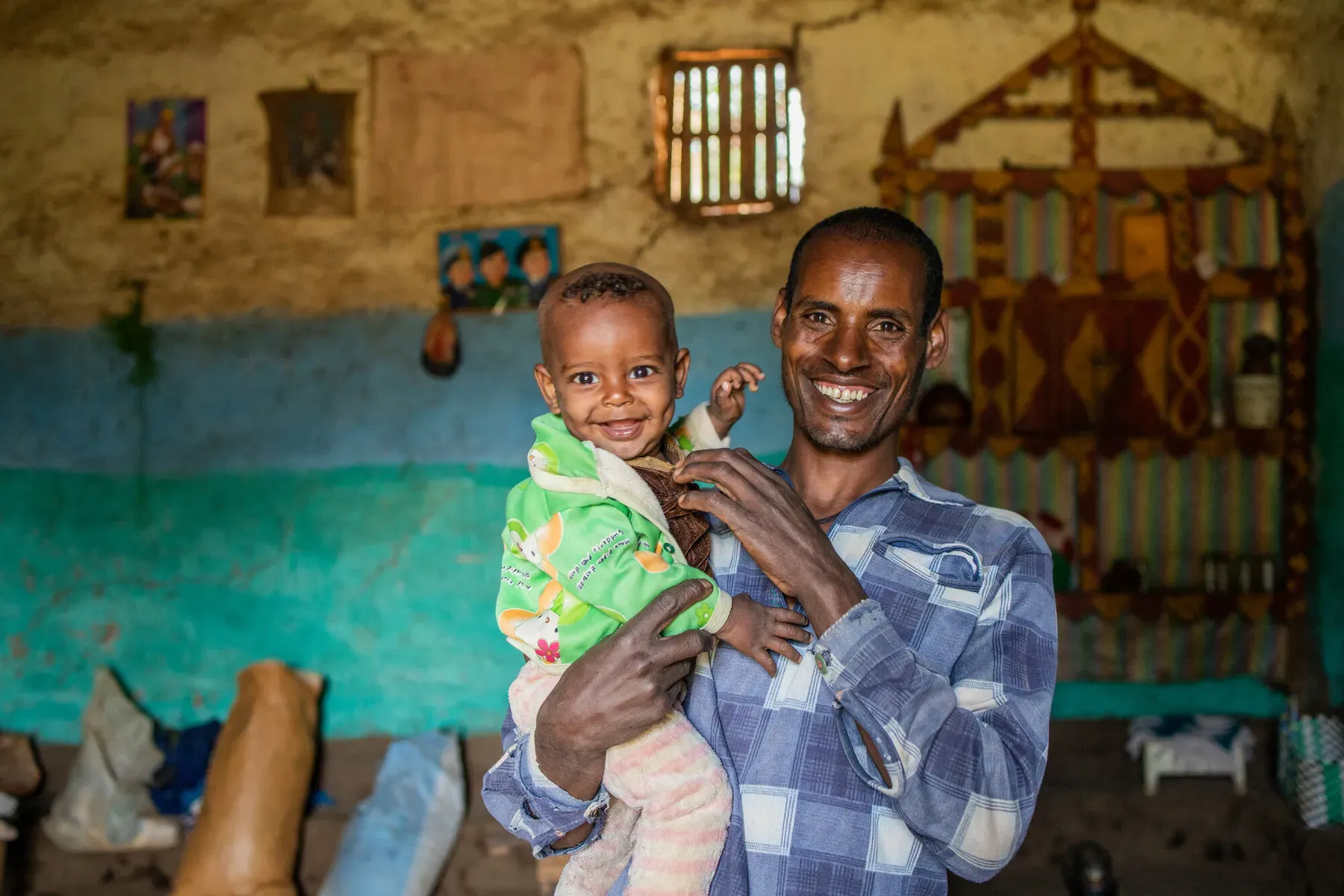


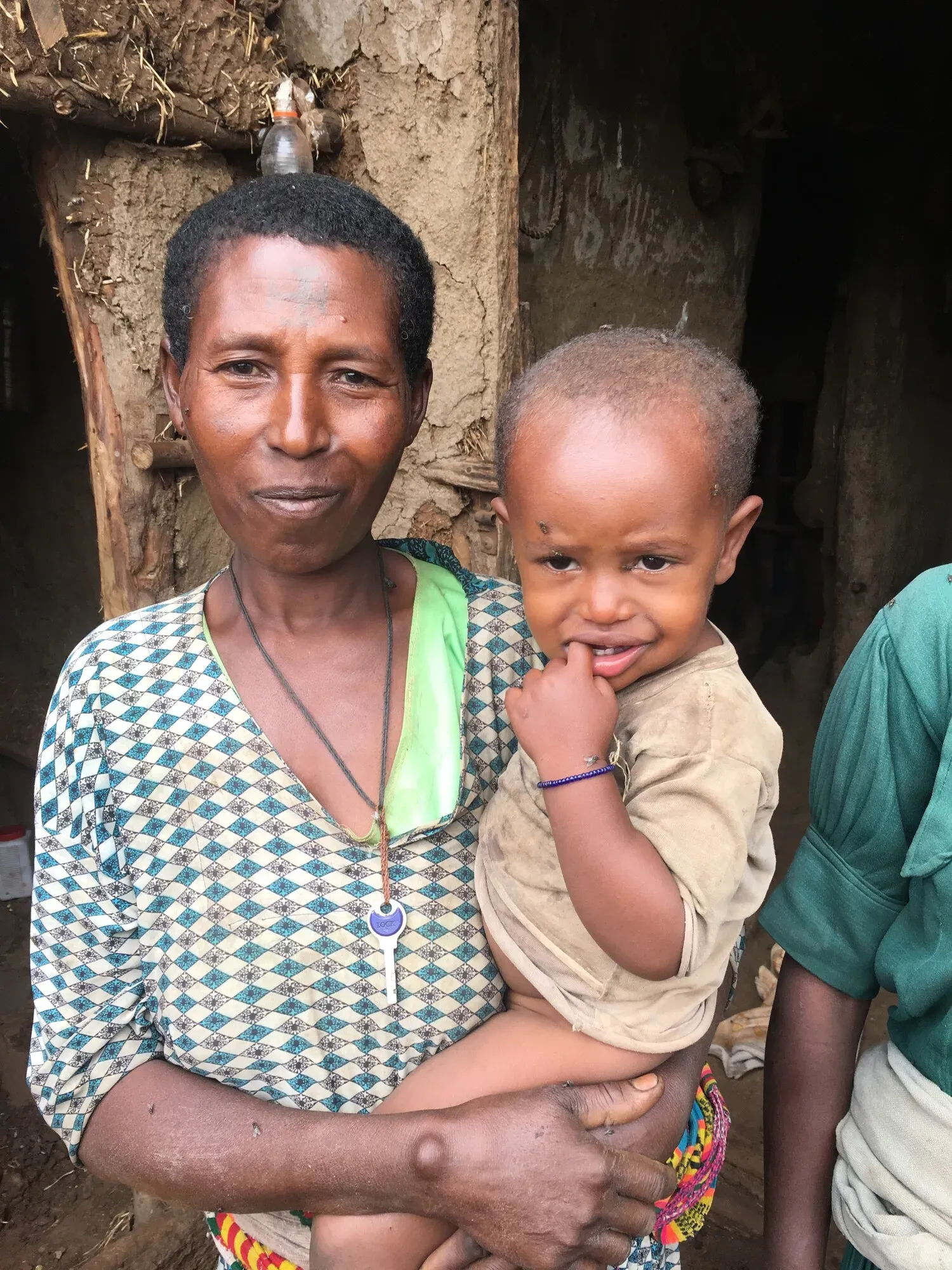
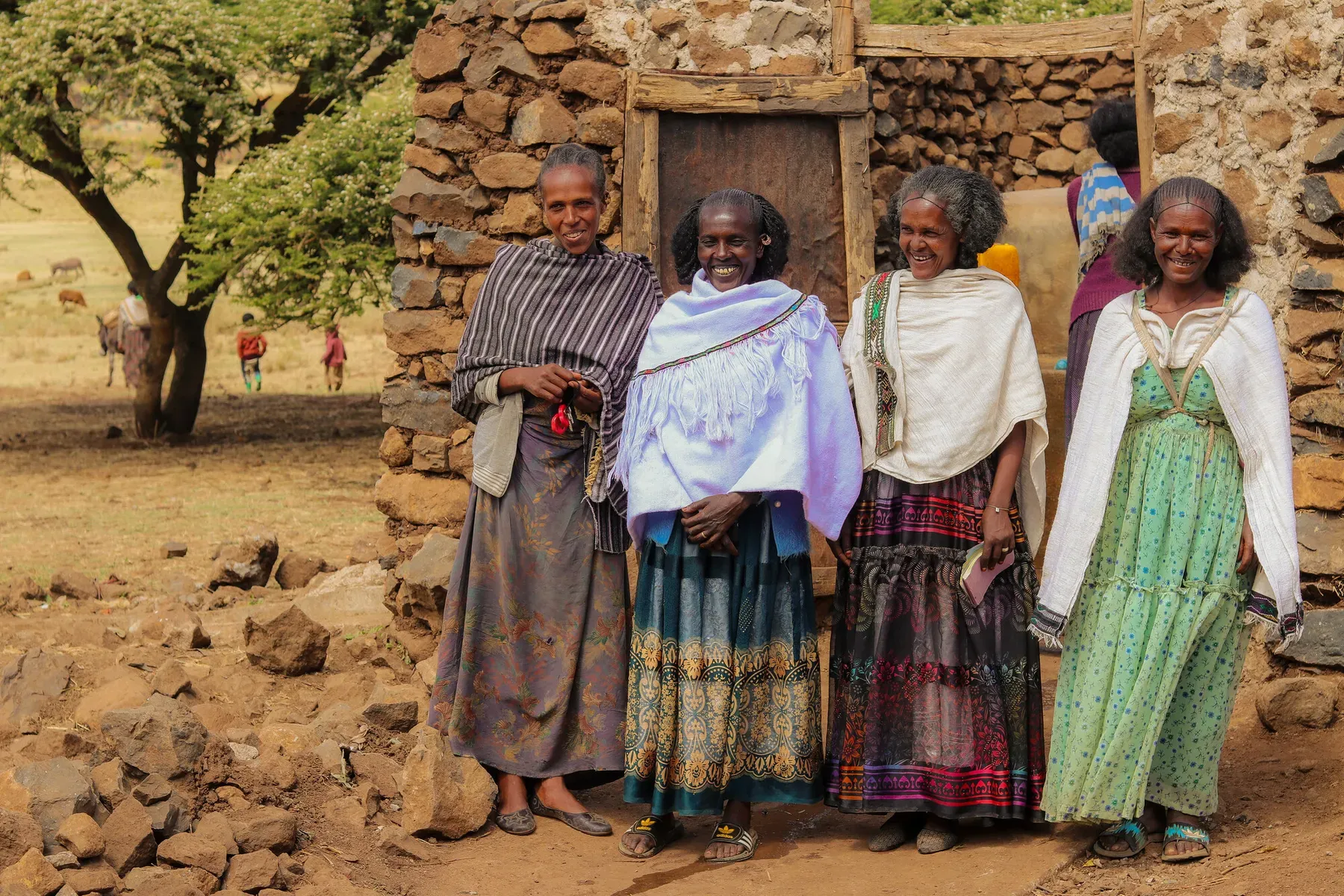
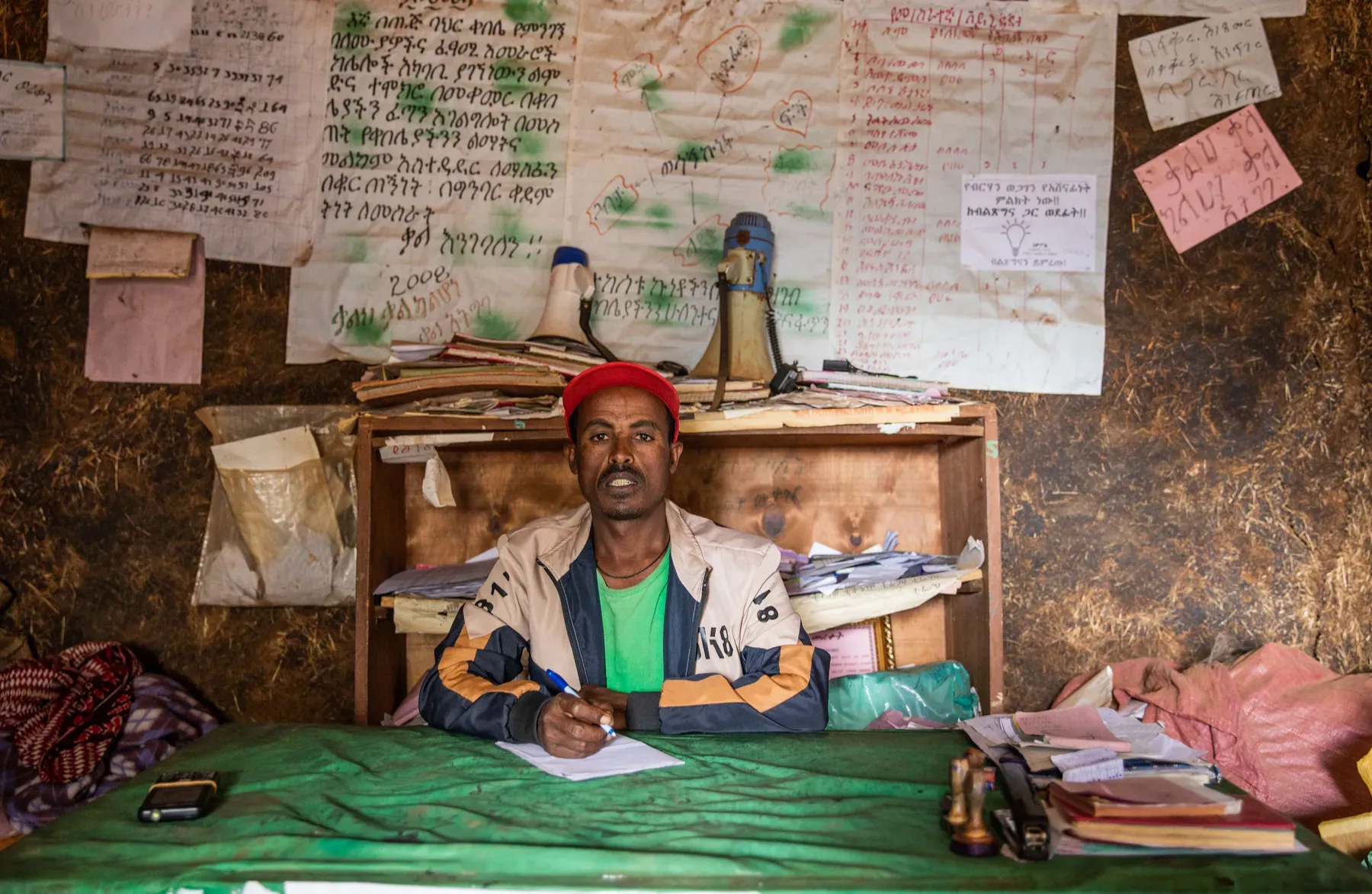
GOVERNMENT WORKERS
Trained in integrated nutrition and WASH approaches continue using them with new communities.

THE WAY FORWARD
The Healthy Village Programme closes in 2026.
The work it contributed to does not.
From 2026 to 2030, the Malnutrition-Free Healthy Village model moves into national scale-up: a government effort aiming to reach 125 million people across all 1,050 woredas of Ethiopia, including 31 million children under two.
The Healthy Village Programme was not an outside intervention. It was a deliberate response to this national call, designed from day one to feed evidence into Ethiopia's own systems.
When external funding ends, most development programmes leave very little behind. The Healthy Village Programme set out to leave something different: capacity that keeps doing its job long after the money has gone.
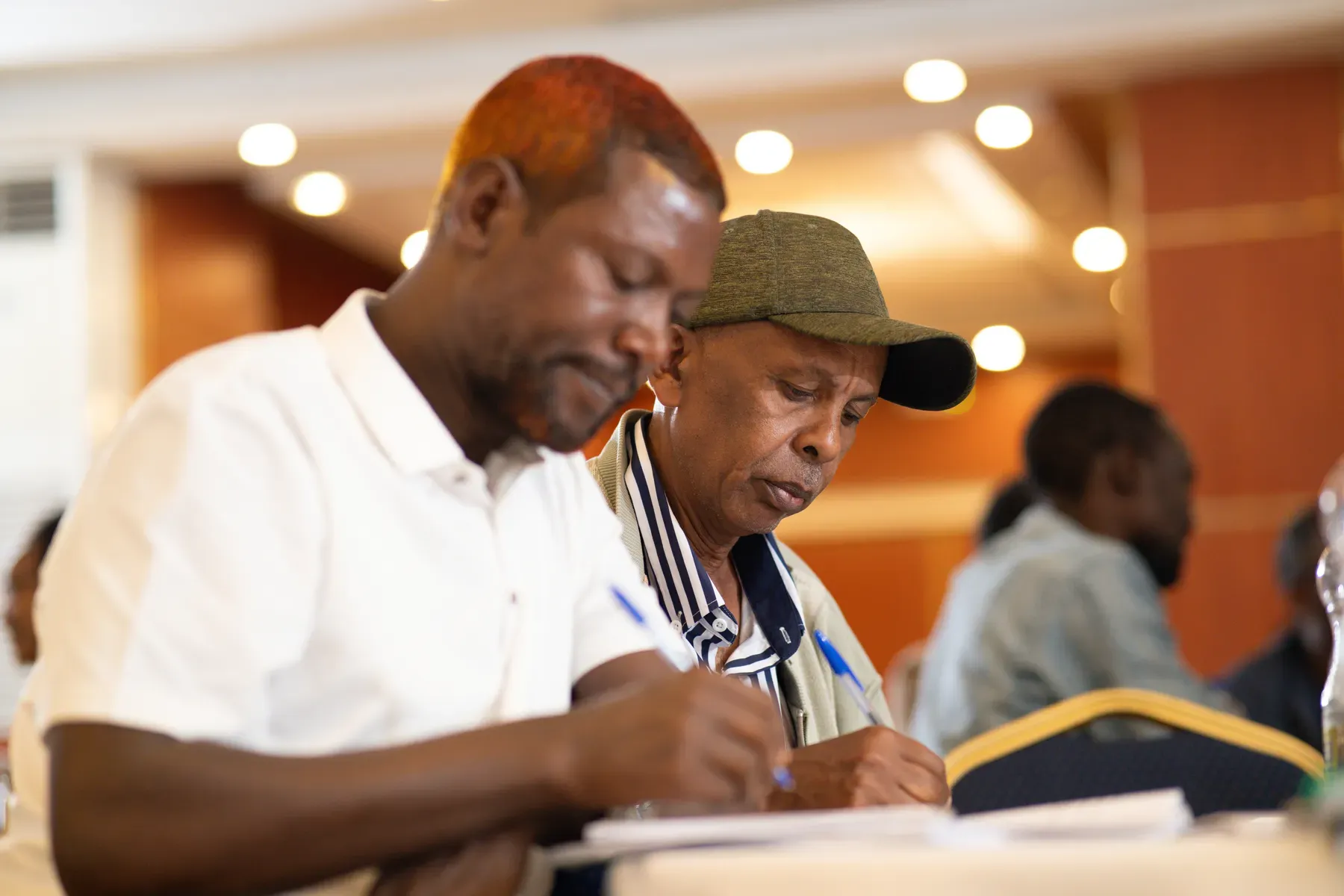
GOVERNMENT WORKERS
Trained in integrated nutrition and WASH approaches continue using them with new communities.
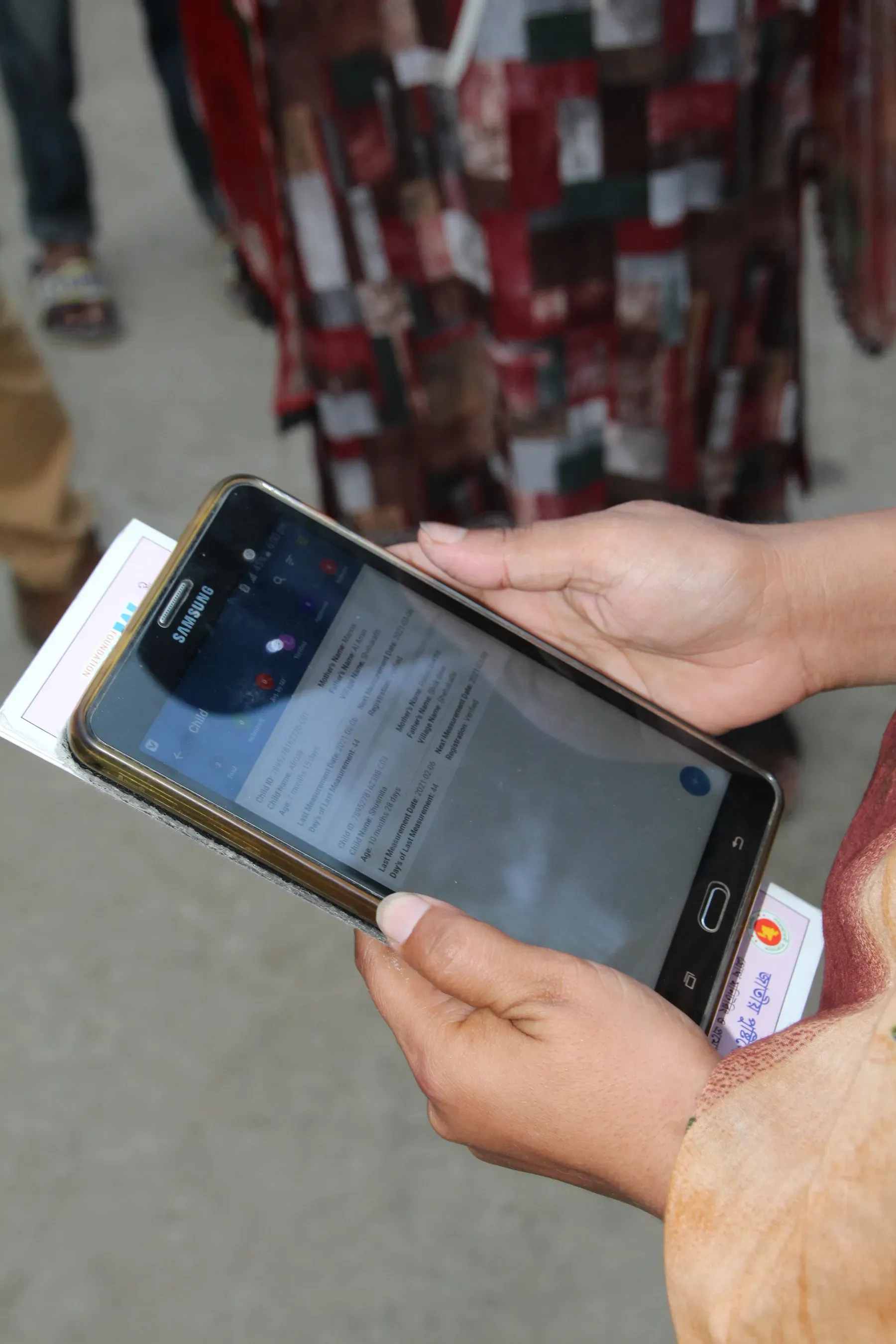
DIGITAL SYSTEMS
Embedded inside e-CHIS continue generating growth data for every child enrolled.
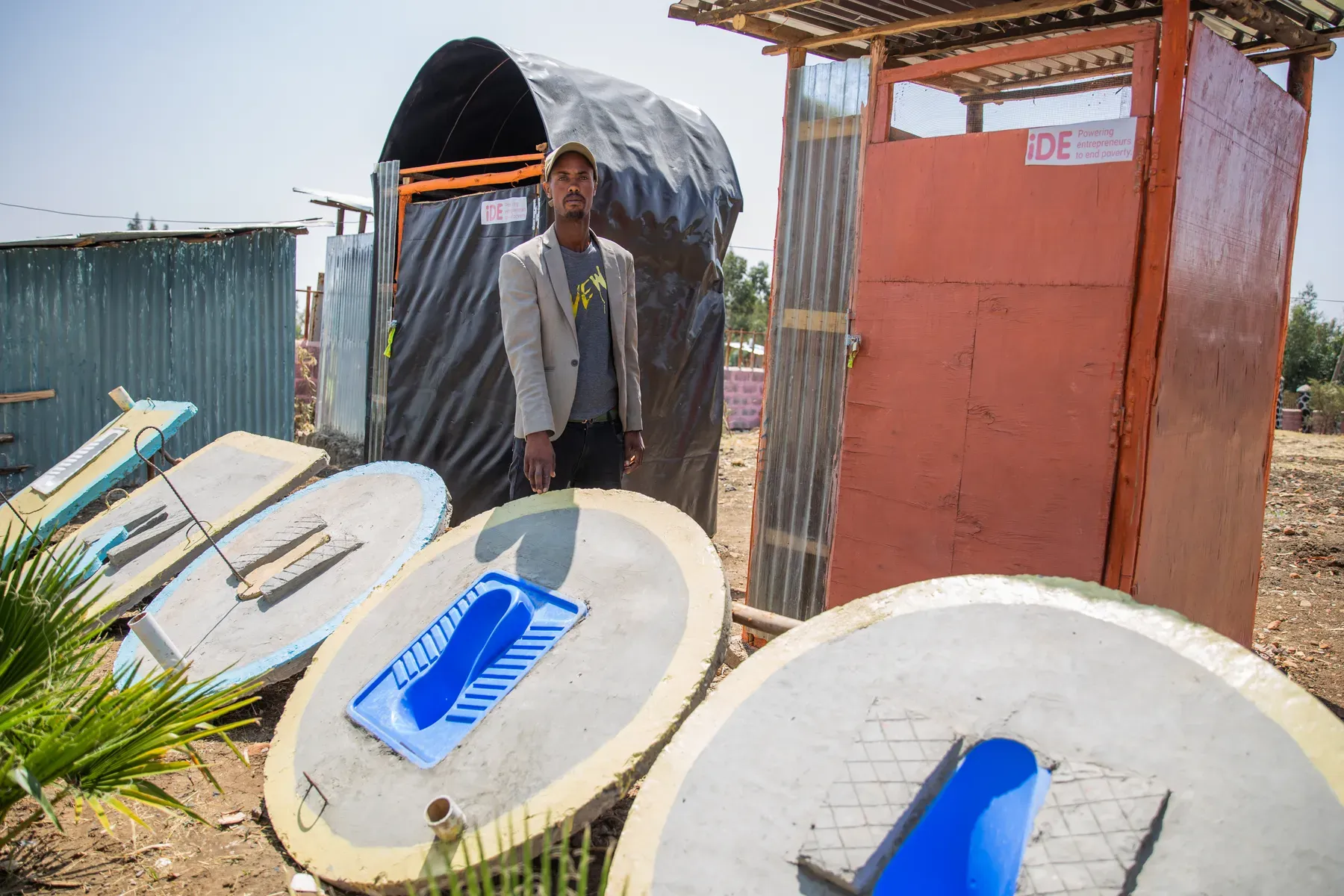
ENTREPRENEURS
Trained in nutrition and sanitation continue running their businesses, supplying their communities.
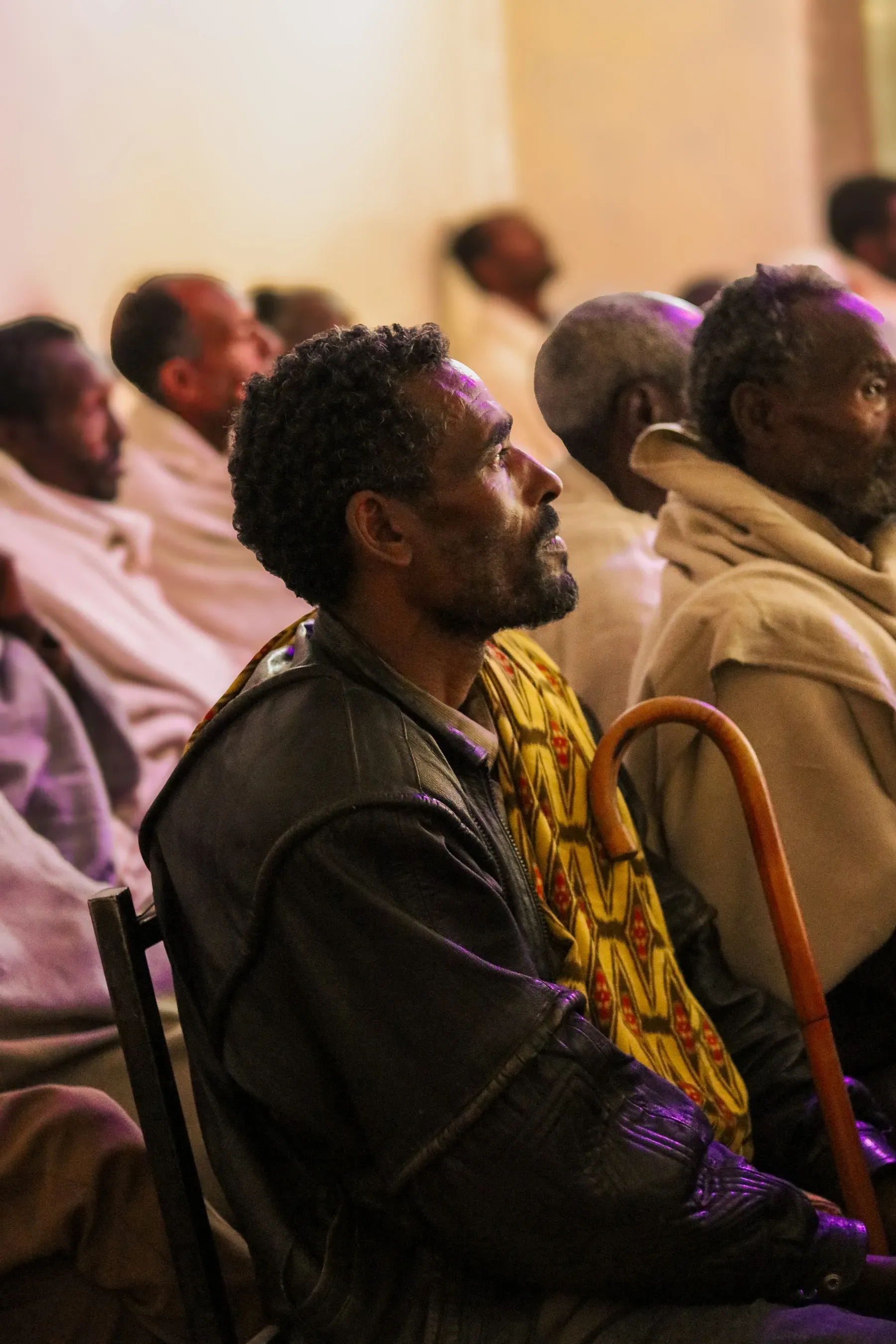
WASHCOS AND VESAS
continue managing water and savings — community institutions, not project structures.
NATIONAL GUIDELINES
Now shape how WASH and nutrition are delivered across regions far beyond the programme's woredas.
None of this depends on the programme any more. That was always the point.
Everything in this publication points to the same four conditions. Get them right, and scale sustains itself. Get them wrong, and even the best model stalls.
The system has to be owned by the state, not propped up by parallel NGO structures.
Local entrepreneurs must find it worthwhile to supply nutritious food, sanitation products, and water services, so supply does not collapse when funding does.
Behaviour change is driven from within, creating steady demand for the services that keep children healthy.
Funding does the most good when it builds capacity and systems, rather than substituting for them.
The tools, the evidence, the trained workforce, and the partnerships are ready. The MFHV model has been built to fit inside how Ethiopia already plans, budgets, and operates. What it needs now is sustained investment and the political commitment to deliver at the scale the Seqota Declaration demands.
System strengthening will test your patience. It is slower than building water points yourself, and its results are harder to photograph. The returns are measured in the capacity that remains, not the activities funded, and they arrive over years, not quarters. But they are the only returns that do not vanish when you leave. The question is whether you are willing to fund what lasts, even when it is hard to see.
The lessons from the Healthy Village Programme are here to learn from, build on, and improve. The question is whether you are willing to work with the systems that already exist, through their complexity, their slowness, and their power to reach everyone.
The children of Ethiopia, and of every country where malnutrition persists, cannot wait for the development sector to get this right. But they also cannot afford solutions that disappear when the funding ends.
The programme was always the speedboat. From here, the tanker carries the work: Ethiopia's own systems, Ethiopia's own people, and the commitment the country made in 2015, now closer than ever to being kept.
System strengthening is the only sustainable path.
The Healthy Village Programme has shown what it looks like in practice.